







Spotlights
Family Doctor, Primary Care Physician, General Family Physician, Family Medicine Doctor, Primary Care Provider, Family Medicine Practitioner, General Medical Practitioner, Family Care Physician, Community Physician, Family Health Doctor, Primary Care Doctor, Family Medicine Specialist
Every day, millions of people turn to their family doctors for care, comfort, and guidance. General practitioners are the healthcare heroes who provide trusted medical care for patients of all ages — from newborns to grandparents — helping individuals and families stay healthy, manage chronic illnesses, and navigate the complex world of medicine.
General practitioners, also known as family medicine doctors, diagnose and treat a wide variety of illnesses and injuries. They build long-term relationships with patients, conducting physical exams, ordering tests, prescribing medications, and offering preventive advice. They collaborate closely with nurses, specialists, and other healthcare professionals to ensure patients receive comprehensive, coordinated care that fits their unique needs.
Using medical tools, electronic health records, diagnostic tests, and communication skills, general practitioners play a vital role in guiding patients through health challenges. Their ability to treat diverse conditions and provide personalized care makes them essential to the health of communities and families everywhere.
- Building meaningful, ongoing relationships with patients and their families.
- Making a real difference in patients' quality of life through diagnosis, treatment, and prevention.
- Working in a variety of settings, from clinics to hospitals, with a diverse patient population.
- Contributing to community health by promoting wellness and early disease detection.
Working Schedule
General practitioners often work full-time schedules that may include evenings or weekends, especially in clinics that offer extended hours. Many work in outpatient settings like private practices or community clinics, but some also work in hospitals or urgent care centers. Work can be fast-paced and demands flexibility, with patient appointments, emergencies, and administrative tasks filling the day. Some family doctors work as part of healthcare teams, while others run their own practices, balancing patient care with business management.
Typical Duties
- Conducting thorough physical examinations and health histories.
- Diagnosing and managing acute and chronic illnesses such as flu, diabetes, or hypertension.
- Ordering and interpreting lab tests and imaging studies.
- Prescribing medications and monitoring their effects.
- Providing preventive care including vaccinations and health education.
- Referring patients to specialists when necessary and coordinating follow-up care.
- Managing minor injuries like cuts, sprains, or infections.
- Counseling patients on lifestyle changes to improve health.
- Maintaining accurate and confidential patient records.
- Responding to medical emergencies in clinic or hospital settings.
- Performing routine screenings for cancer, heart disease, and other conditions.
- Educating patients about managing chronic diseases and medication adherence.
Additional Responsibilities
- Keeping up-to-date with medical research and guidelines.
- Participating in community health outreach programs.
- Training and mentoring medical students or residents.
- Handling administrative duties like billing and documentation.
- Communicating with insurance companies and healthcare providers.
- Ensuring compliance with medical and safety regulations.
- Managing the business aspects of running a private practice, if applicable.
- Engaging in quality improvement initiatives to enhance patient care.
Mornings often begin with reviewing patient charts and preparing for the day’s appointments. A family doctor might check lab results, plan patient visits, and catch up on urgent messages or test results.
Midday is filled with patient appointments where the doctor diagnoses illnesses, discusses treatment options, and updates care plans. They might also perform physical exams, administer vaccines, or handle minor procedures. Collaboration with nurses and other staff is constant to ensure smooth patient flow.
Afternoons can include follow-up calls to patients, coordinating with specialists, completing medical records, and participating in team meetings. The day might end with urgent care visits or paperwork, balancing clinical care with administrative responsibilities.
Soft Skills
- Empathy and compassion to connect with patients.
- Strong communication to explain complex medical information clearly.
- Active listening to understand patient concerns fully.
- Problem-solving to diagnose and manage diverse conditions.
- Patience for working through challenging or emotional situations.
- Adaptability to handle changing patient needs and emergencies.
- Organizational skills to manage busy schedules and documentation.
- Attention to detail in following medical protocols and prescriptions.
- Teamwork to coordinate with nurses, specialists, and staff.
- Cultural sensitivity to respect diverse patient backgrounds.
- Decision-making under pressure during urgent cases.
- Ethical judgment to maintain patient confidentiality and trust.
Technical Skills
- Proficiency in physical examination techniques.
- Knowledge of diagnostic testing and interpretation.
- Ability to use electronic health record (EHR) systems effectively.
- Skill in prescribing and managing medications safely.
- Basic procedural skills such as suturing and wound care.
- Understanding of preventive medicine and immunization protocols.
- Familiarity with telemedicine tools for remote patient care.
- Competence in patient counseling and health education.
- Use of medical devices like blood pressure monitors and stethoscopes.
- Knowledge of medical coding and billing processes.
- Rural Family Physician: Provides comprehensive care in less populated areas, often with broader responsibilities due to limited specialists.
- Urban Family Physician: Works in city clinics or hospitals with access to extensive specialist networks.
- Hospitalist: Focuses on inpatient care, managing hospitalized patients’ medical needs.
- Geriatrician: Specializes in caring for elderly patients with complex health issues.
- Sports Medicine Family Physician: Combines family medicine with sports injury treatment and prevention.
- Urgent Care Physician: Provides immediate care for non-life-threatening injuries and illnesses outside regular office hours.
- Academic Family Physician: Balances patient care with teaching and research responsibilities.
- Pediatric-Focused Family Physician: Emphasizes care for infants, children, and adolescents within family medicine scope.
- Private Medical Practices
- Community Health Clinics
- Hospitals and Medical Centers
- Urgent Care Facilities
- Government Health Departments
- Military Medical Services
- Non-Profit Health Organizations
- University Medical Centers
- Telemedicine Providers
- Corporate Health Services
- Health Insurance Companies
- Public Health Agencies
Family doctors often face high-pressure situations where quick, accurate decisions can impact patient outcomes. They must manage a wide range of medical issues, from routine check-ups to emergencies, requiring constant learning and adaptability.
Work hours can be long and irregular, including evenings, weekends, or being on-call. Balancing patient care with administrative tasks and documentation can be challenging, demanding strong time management skills.
Sacrifices can include emotional strain from dealing with serious illnesses or patient loss. The responsibility of managing patient health requires dedication and sometimes personal time trade-offs, but the reward is in helping people lead healthier lives.
- Increased use of telemedicine to reach patients remotely.
- Growing emphasis on preventive care and wellness programs.
- Integration of artificial intelligence to assist in diagnostics and patient monitoring.
- Focus on managing chronic diseases with personalized care plans.
- Shift toward team-based care involving nurse practitioners and physician assistants.
- Adoption of electronic health records and data analytics to improve outcomes.
- Emphasis on mental health integration within primary care.
- Expansion of family medicine into underserved communities.
- Use of mobile health apps to track patient health.
- Greater attention to social determinants of health in treatment planning.
Many family doctors loved caring for others and solving problems as kids. They often enjoyed science, biology, and helping family or friends with small health issues, showing early signs of empathy and curiosity about the human body.
They might have been drawn to leadership roles like team captain or peer mentor, showing patience and communication skills. A natural interest in community service or volunteering often hinted at their future path in medicine.
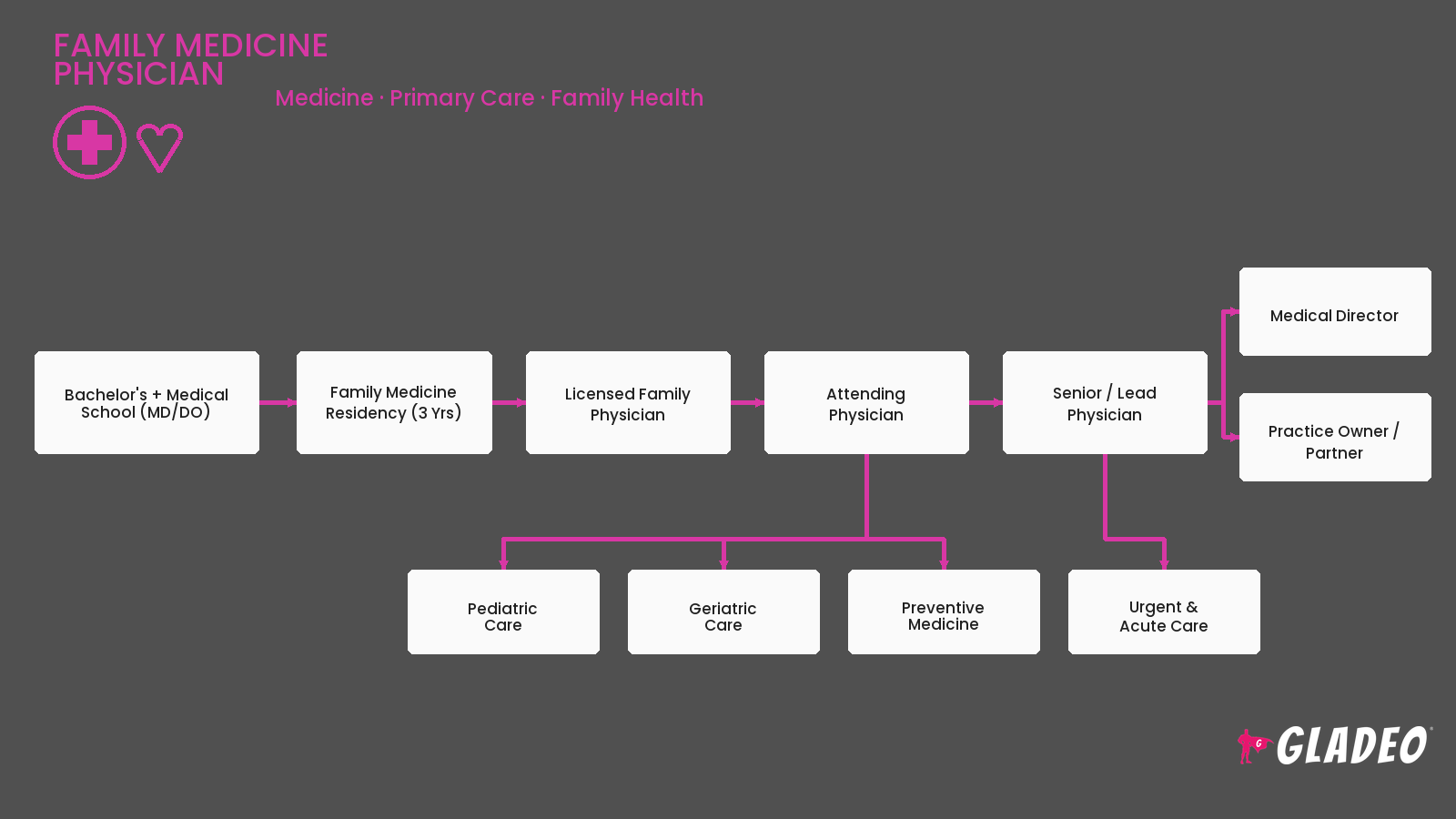
Becoming a general practitioner requires extensive education and training, typically starting with a bachelor’s degree followed by medical school to earn an MD or DO degree. After medical school, aspiring family doctors complete a residency program in family medicine, which usually lasts three years and provides hands-on experience in diverse medical settings.
Students can take courses in relevant subjects such as:
- Biology and Human Anatomy
- Chemistry and Organic Chemistry
- Physics and Mathematics
- Psychology and Sociology
- Health Sciences and Nutrition
- Medical Terminology
- Pharmacology
- Pathophysiology
- Clinical Medicine and Patient Care
- Communication Skills in Healthcare
Hands-on experience through clinical rotations and residency programs is critical for building practical skills. Many doctors also pursue continuing medical education throughout their careers to stay current with medical advances and maintain their licenses.
- Take advanced science courses like biology, chemistry, and physics.
- Develop strong communication and interpersonal skills.
- Volunteer at hospitals, clinics, or nursing homes to gain exposure to healthcare.
- Participate in health-related clubs or organizations.
- Shadow family doctors or other medical professionals.
- Prepare for and perform well on standardized tests required for medical school admission.
- Learn time management and study skills to handle rigorous coursework.
- Engage in community service projects focusing on health and wellness.
- Explore internships or summer programs in healthcare settings.
- Research medical schools and their prerequisites.
- Choose accredited medical schools with strong family medicine programs.
- Look for schools that offer diverse clinical rotations in outpatient and community settings.
- Consider programs with mentorship opportunities from experienced family physicians.
- Ensure the curriculum includes training on cultural competence and preventive care.
- Check availability of residency placements affiliated with the medical school.
- Seek programs that integrate modern healthcare technologies and telemedicine.
- Evaluate support services like counseling and academic advising.
- Look for opportunities to participate in research or community health projects.
- Consider the school’s network and reputation in family medicine.
- Assess financial aid options and scholarship availability.
- Apply for residency programs specializing in family medicine.
- Build a strong portfolio including clinical evaluations and recommendation letters.
- Gain experience through internships or externships in primary care settings.
- Join professional organizations for networking and learning.
- Prepare for licensing exams like USMLE or COMLEX.
- Seek entry-level roles such as medical resident or primary care physician assistant.
- Develop skills in patient communication and electronic health records.
- Attend career fairs and medical conferences.
- Find mentors among experienced family physicians.
- Be open to working in underserved or rural areas to gain broad experience.
- Demonstrate commitment to patient-centered care in interviews.
- Keep learning and adapting to new medical knowledge and technologies.
- Gain board certification in family medicine to enhance credentials.
- Pursue fellowship training in specialized areas like geriatrics or sports medicine.
- Take leadership roles in clinics or healthcare organizations.
- Engage in continuous education and obtain advanced certifications.
- Build a reputation through patient care quality and professional involvement.
- Expand skills in healthcare technology and telemedicine.
- Network with specialists and healthcare administrators.
- Explore opportunities in teaching, research, or healthcare policy.
Websites:
- American Academy of Family Physicians (AAFP) - www.aafp.org
- Family Medicine Residency Programs - www.stfm.org
- National Residency Matching Program (NRMP) - www.nrmp.org
- Medscape Family Medicine - www.medscape.com/familymedicine
- American Medical Association (AMA) - www.ama-assn.org
- Society of Teachers of Family Medicine (STFM) - www.stfm.org
- Family Medicine Education Consortium - www.familymedicineeducation.org
- U.S. News Health Primary Care - health.usnews.com/best-hospitals/primary-care
- Health Resources and Services Administration (HRSA) - www.hrsa.gov
- Centers for Disease Control and Prevention (CDC) - www.cdc.gov
- Medical Group Management Association (MGMA) - www.mgma.com
- Telemedicine Association - www.americantelemed.org
- Physician Assistant Education Association - www.paeaonline.org
- National Institutes of Health (NIH) - www.nih.gov
Books:
- The Family Medicine Handbook by Robert B. Taylor
- Essentials of Family Medicine by Philip D. Sloane, Lisa M. Slatt, et al.
- Current Diagnosis and Treatment Family Medicine by Jeannette E. South-Paul, Samuel C. Matheny, Evelyn L. Lewis
- Family Medicine: Principles and Practice by Robert B. Taylor
- Being Mortal: Medicine and What Matters in the End by Atul Gawande
If family medicine doesn’t turn out to be your perfect fit, there are many related careers that still let you work in healthcare and help people in meaningful ways.
- Internal Medicine Physician
- Pediatrician
- Nurse Practitioner
- Physician Assistant
- Emergency Medicine Physician
- Public Health Specialist
- Medical Researcher
- Health Educator
- Pharmacist
- Physical Therapist
Newsfeed

Featured Jobs
Online Courses and Tools