






Spotlights
Digestive Disease Specialist, GI Doctor, Gastrointestinal Physician, Internal Medicine Gastroenterologist, Hepatologist, Endoscopist, GI Surgeon (nonoperative roles), Clinical Gastroenterologist, Pediatric Gastroenterologist, Interventional Gastroenterologist, Gastroenterology Consultant, GI Specialist
Imagine facing chronic stomach pain or digestive issues that disrupt your life — a Gastroenterologist is the expert who pinpoints the cause and guides you back to health, improving millions of lives by treating the entire digestive system.
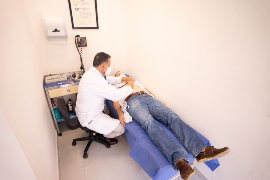
Gastroenterologists diagnose and treat conditions affecting the esophagus, stomach, intestines, liver, pancreas, and gallbladder. They work closely with patients to understand symptoms, perform diagnostic tests like endoscopies, and develop treatment plans often in collaboration with surgeons, radiologists, dietitians, and primary care physicians. Their work helps manage diseases such as acid reflux, inflammatory bowel disease, liver cirrhosis, and cancer, aiming to restore digestive health and improve quality of life.
This role relies on advanced medical technologies such as endoscopes to visually examine the digestive tract, imaging tools, and lab tests to analyze tissue samples. Gastroenterologists' ability to blend clinical knowledge with procedural skills makes them essential in early diagnosis, treatment, and prevention of digestive diseases that impact overall wellness.
- Helping patients overcome painful or chronic digestive conditions and restore their quality of life.
- Mastering a blend of diagnostic skills and advanced medical technology to solve complex health puzzles.
- Building ongoing relationships with patients to manage long-term health and provide reassurance.
- Contributing to life-saving care by detecting gastrointestinal cancers and serious diseases early.
Working Schedule
Gastroenterologists typically work in hospitals, clinics, or private practices. Their schedules can be demanding, often including long hours during the week, on-call shifts, and occasional weekend work to handle urgent patient needs or procedures. The environment is fast-paced and requires focus, especially during endoscopic procedures and patient consultations. Many gastroenterologists balance scheduled appointments with emergency or inpatient care.
Typical Duties
- Conduct detailed patient interviews to assess digestive symptoms and medical history.
- Perform diagnostic procedures such as upper endoscopy, colonoscopy, and sigmoidoscopy.
- Analyze lab tests and imaging results to diagnose digestive diseases.
- Develop personalized treatment plans including medication, lifestyle changes, and referrals.
- Manage chronic conditions like Crohn’s disease and ulcerative colitis through regular monitoring.
- Collaborate with surgeons, radiologists, and dietitians for comprehensive patient care.
- Provide follow-up care to assess treatment effectiveness and adjust plans.
- Educate patients on diet, medication, and preventive measures to maintain digestive health.
- Document patient interactions and update medical records accurately.
- Participate in hospital rounds and multidisciplinary team meetings.
- Stay current on medical research and new treatment protocols.
- Ensure patient safety and comfort during invasive procedures.
Additional Responsibilities
- Maintain certification and complete continuing medical education credits.
- Train and mentor medical students and residents in gastroenterology.
- Participate in clinical research to advance understanding of digestive diseases.
- Advocate for patient health within the healthcare system.
- Implement quality control and safety protocols during procedures.
- Manage administrative tasks related to patient billing and insurance.
- Coordinate care with primary care providers and other specialists.
- Promote public awareness about digestive health and disease prevention.
Morning often starts with reviewing patient charts and lab results from overnight or previous visits, preparing for scheduled procedures and consultations. Gastroenterologists prioritize urgent cases and plan their day efficiently to balance clinic visits and endoscopy sessions.
Midday is spent performing procedures such as colonoscopies or endoscopies, diagnosing digestive tract conditions firsthand. Between procedures, they consult with patients to explain findings, discuss treatments, and adjust care plans. Collaboration with nurses, anesthesiologists, and technicians is constant to ensure safety and smooth workflow.
Afternoons include follow-up appointments, reviewing biopsies or test results, and documenting patient care. Later, the gastroenterologist may participate in team meetings, teach medical students, or engage in research activities. They also prepare for on-call duties and respond to emergency consults as needed.
Soft Skills
- Empathy and compassion to comfort patients experiencing pain or anxiety.
- Strong communication skills to explain complex medical information clearly.
- Attention to detail for accurate diagnosis and treatment planning.
- Critical thinking to analyze symptoms and test results effectively.
- Patience for working with chronic illness management and long-term care.
- Collaboration skills to work with healthcare teams.
- Adaptability to handle unexpected patient emergencies.
- Time management to balance procedures, consultations, and paperwork.
- Emotional resilience to manage stressful situations and patient outcomes.
- Problem-solving mindset to develop innovative treatment approaches.
- Ethical judgment to maintain patient confidentiality and care standards.
- Leadership when supervising medical staff and trainees.
Technical Skills
- Proficiency in performing endoscopic procedures including colonoscopy and upper endoscopy.
- Knowledge of gastrointestinal anatomy, physiology, and pathology.
- Ability to interpret imaging studies such as ultrasounds, CT scans, and MRIs.
- Skill in reading and analyzing laboratory tests and biopsies.
- Familiarity with electronic health records and medical documentation.
- Understanding of pharmacology related to gastrointestinal treatments.
- Competence with sedation and patient monitoring during procedures.
- Awareness of infection control and sterilization techniques.
- Capability to perform minimally invasive interventions when necessary.
- Use of diagnostic tools like pH monitoring and manometry.
- Clinical Gastroenterologist: Focuses on diagnosing and managing digestive diseases through medical treatments.
- Interventional Gastroenterologist: Specializes in minimally invasive procedures to treat complex digestive disorders.
- Pediatric Gastroenterologist: Provides digestive healthcare specifically for infants, children, and adolescents.
- Hepatologist: Concentrates on liver diseases such as hepatitis and cirrhosis within the gastroenterology field.
- Transplant Gastroenterologist: Manages patients before and after liver transplants.
- Research Gastroenterologist: Conducts clinical studies to develop new treatments and understand digestive diseases better.
- Academic Gastroenterologist: Combines patient care with teaching and research at medical schools.
- Endoscopic Surgeon: Performs surgical interventions through endoscopy, often overlapping with gastroenterology.
- Hospitals with specialized gastroenterology departments
- Outpatient clinics focused on digestive health
- Academic medical centers and university hospitals
- Research institutions studying digestive diseases
- Private gastroenterology practices
- Liver transplant centers
- Children’s hospitals with pediatric gastroenterology units
- Cancer treatment centers specializing in gastrointestinal oncology
- Government health agencies and public health organizations
- Medical device companies developing endoscopy equipment
- Healthcare networks and integrated health systems
- Nonprofit organizations promoting digestive health awareness
Gastroenterologists often face high-pressure situations where quick, accurate decisions can significantly impact patient outcomes. The responsibility of performing invasive procedures demands focus and precision, along with managing patient comfort and safety.
Work hours can be long and irregular, including evenings and weekends, especially when on call for emergencies. Balancing patient consultations, procedures, and administrative duties requires strong organizational skills and stamina.
The role demands emotional resilience due to managing patients with serious or chronic illnesses. Gastroenterologists must handle frequent revisions of treatment plans and stay updated with rapidly evolving medical knowledge to provide the best care.
- Advances in minimally invasive endoscopic techniques enabling faster recovery.
- Increased use of artificial intelligence to assist in diagnosis and treatment planning.
- Growth in personalized medicine targeting specific digestive disorders.
- Expansion of telemedicine for remote patient consultations and follow-ups.
- Development of new biologic drugs for inflammatory bowel diseases.
- Rising awareness and screening programs for early detection of colorectal cancer.
- Integration of multidisciplinary teams for comprehensive digestive care.
- Use of capsule endoscopy and advanced imaging for noninvasive diagnostics.
- Emphasis on patient-centered care and improved communication technologies.
- Research into the gut microbiome’s role in overall health.
Many gastroenterologists were curious about biology and human anatomy from a young age, often fascinated by how the body works and how diseases affect health. They enjoyed activities like science fairs, reading about medicine, or volunteering in healthcare settings during high school.
They typically showed problem-solving skills and empathy early on, drawn to helping others with health challenges. Interest in chemistry, biology, and technology also provided a strong foundation for their future medical studies and specialization in digestive health.
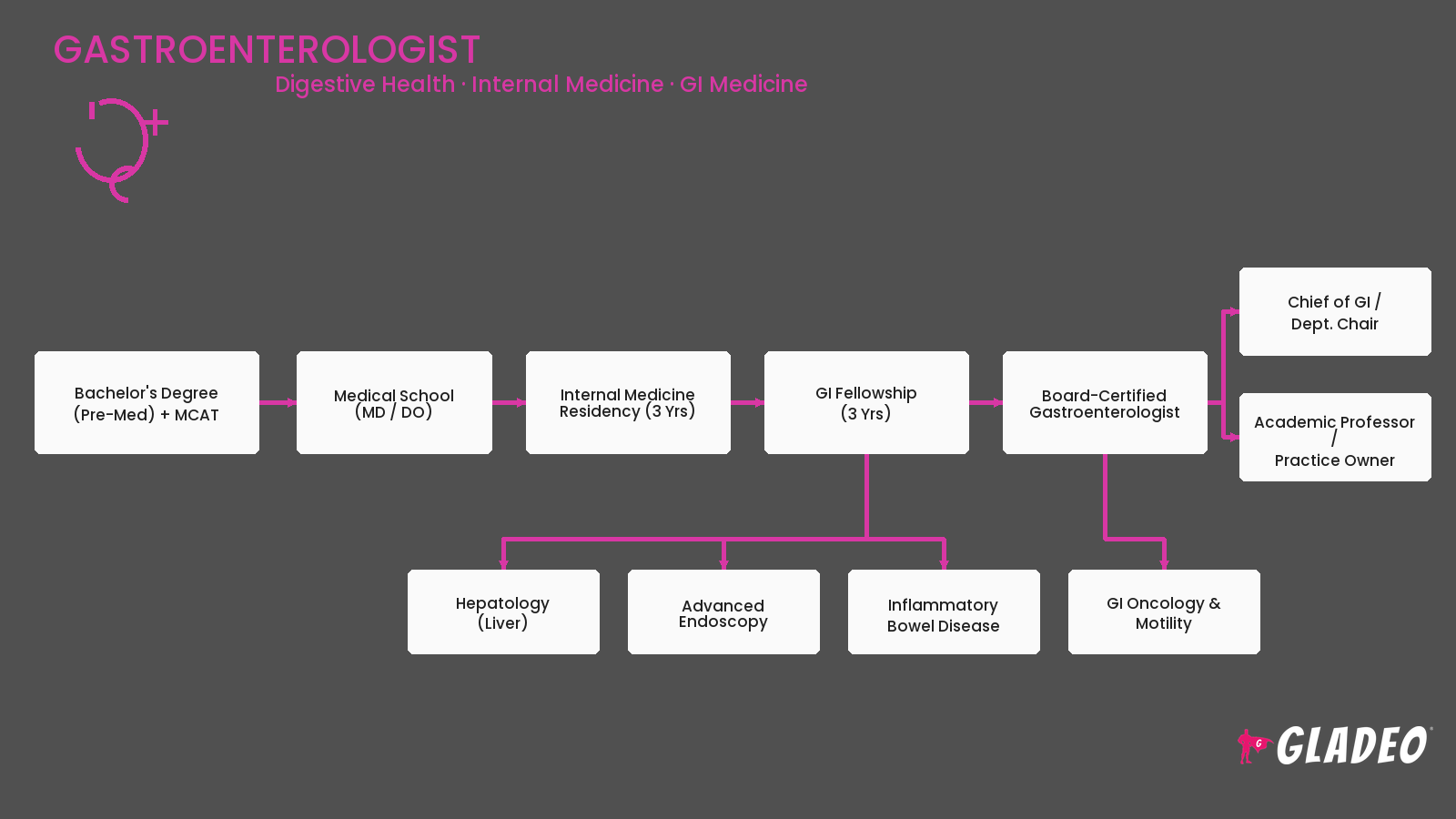
Becoming a gastroenterologist requires extensive education and training, starting with a bachelor's degree, followed by medical school, a residency in internal medicine, and a specialized fellowship in gastroenterology. This pathway prepares doctors to master both general medicine and the specialized skills needed to treat digestive system diseases.
Students can take courses in relevant subjects such as:
- Biology: cellular biology, human anatomy, and physiology
- Chemistry: general and organic chemistry foundational for medical studies
- Physics: basic principles applied to medical technology
- Health Sciences: introduction to healthcare systems and practices
- Anatomy and Physiology: detailed study of the human body
- Microbiology: understanding infectious diseases affecting the digestive tract
- Pathology: study of disease processes and tissue analysis
- Pharmacology: medications used in treatment of gastrointestinal conditions
- Nutrition Science: impact of diet on digestive health
- Medical Ethics: principles guiding patient care and confidentiality
Hands-on clinical experience during medical school and residency is crucial, alongside developing a strong portfolio of patient care skills. Fellowship programs in gastroenterology provide specialized training in diagnostic procedures and treatments. Continuing education and board certification keep gastroenterologists up to date throughout their careers.
- Take advanced science courses such as biology, chemistry, and anatomy in high school.
- Participate in health and science clubs or competitions to deepen medical interest.
- Volunteer at hospitals, clinics, or nursing homes to gain exposure to patient care.
- Shadow doctors, especially in internal medicine or gastroenterology, to understand the profession.
- Develop strong communication and study skills for medical school preparation.
- Complete a bachelor’s degree with a pre-med focus, including courses in biology, chemistry, and physics.
- Gain research experience in biology or health sciences to enhance a medical school application.
- Prepare for and excel on the Medical College Admission Test (MCAT).
- Attend medical school and focus on internal medicine rotations.
- Complete a residency in internal medicine before applying for a gastroenterology fellowship.
- Choose colleges with strong pre-med or health science programs.
- Look for medical schools with accredited gastroenterology fellowships.
- Seek programs offering clinical rotations in gastroenterology or related fields.
- Prioritize hands-on training opportunities such as simulation labs and patient interaction.
- Evaluate faculty expertise and research opportunities in digestive diseases.
- Check for access to advanced endoscopy and diagnostic equipment.
- Consider schools with strong mentorship and networking connections in medicine.
- Review residency programs affiliated with hospitals that have gastroenterology departments.
- Look for programs that emphasize interdisciplinary collaboration.
- Ensure training includes ethics, patient communication, and cultural competence.
- Apply for internal medicine residency programs accredited by medical boards.
- Gain experience managing a broad range of adult diseases during residency.
- Seek mentorship from experienced gastroenterologists to learn procedural skills.
- Complete gastroenterology fellowship programs focusing on endoscopy and digestive diseases.
- Participate in hospital rounds and assist with endoscopic procedures under supervision.
- Build a professional network with healthcare providers and specialists.
- Develop strong patient communication for explaining diagnoses and treatment plans.
- Attend conferences and workshops to stay current with gastroenterology advances.
- Obtain board certification in internal medicine and later in gastroenterology.
- Apply for positions in hospitals, outpatient clinics, or private practices.
- Continue learning new diagnostic techniques and treatment options.
- Demonstrate professionalism and reliability in all clinical duties.
- Pursue advanced certifications and subspecialty training in areas like hepatology or interventional endoscopy.
- Publish research and contribute to medical journals to establish expertise.
- Take leadership roles in hospital departments or professional organizations.
- Expand procedural skills to include cutting-edge techniques and technologies.
- Build a reputation for excellent patient care and professional collaboration.
- Mentor medical students and junior doctors to develop teaching experience.
- Network within the medical community to discover new career opportunities.
- Consider academic positions combining clinical work with research and teaching.
Websites:
- American College of Gastroenterology (gi.org)
- American Gastroenterological Association (gastro.org)
- Society of American Gastrointestinal and Endoscopic Surgeons (sages.org)
- American Society for Gastrointestinal Endoscopy (asge.org)
- National Institute of Diabetes and Digestive and Kidney Diseases (niddk.nih.gov)
- Digestive Disease National Coalition (ddnc.org)
- The Liver Foundation (liverfoundation.org)
- Gastrointestinal Society (badgut.org)
- Medscape Gastroenterology (medscape.com/gastroenterology)
- UpToDate (uptodate.com)
- PubMed Central (ncbi.nlm.nih.gov/pmc)
- Healthgrades (healthgrades.com)
- Mayo Clinic Gastroenterology (mayoclinic.org/departments-centers/gastroenterology)
- Johns Hopkins Medicine Gastroenterology (hopkinsmedicine.org)
Books:
- Sleisenger and Fordtran's Gastrointestinal and Liver Disease by Mark Feldman
- Yamada's Atlas of Gastroenterology by Michael Camilleri
- Gastrointestinal Physiology by Leonard R. Johnson
- Clinical Gastroenterology and Hepatology by Nicholas J. Talley
- Robbins Basic Pathology by Kumar, Abbas, and Aster
If becoming a gastroenterologist doesn't work out, there are many related healthcare careers that also focus on patient care, diagnostics, and digestive health. These alternatives can offer rewarding paths in medicine or allied health fields.
- Internal Medicine Physician
- General Surgeon
- Hepatologist (Liver Specialist)
- Oncologist specializing in gastrointestinal cancers
- Registered Nurse with a focus on gastroenterology
- Physician Assistant in primary care or GI specialty
- Dietitian or Nutritionist specializing in digestive health
- Medical Research Scientist in gastroenterology
Endoscopy Technician
Pharmacist specializing in gastrointestinal medications
Newsfeed

Featured Jobs
Online Courses and Tools